Mastering the Wireless Architecture of Modern Homes
Wireless networking is no longer a utility; it is the fundamental infrastructure of the modern workspace, entertainment hub, and connected life. We dissect the standards, hardware, and deployment strategies required to eliminate dead zones and maximize bandwidth.
Equipment Topologies

Mesh Wi-Fi Systems
How distributed nodes use dedicated wireless backhaul to eradicate dead zones in complex floor plans.
Read Analysis
Gaming Routers
Understanding Quality of Service (QoS), latency prioritization, and hardware acceleration for competitive play.
Read Analysis
Wi-Fi 7 Capabilities
An examination of IEEE 802.11be, encompassing Multi-Link Operation, 320MHz channels, and 4K-QAM density.
Read Analysis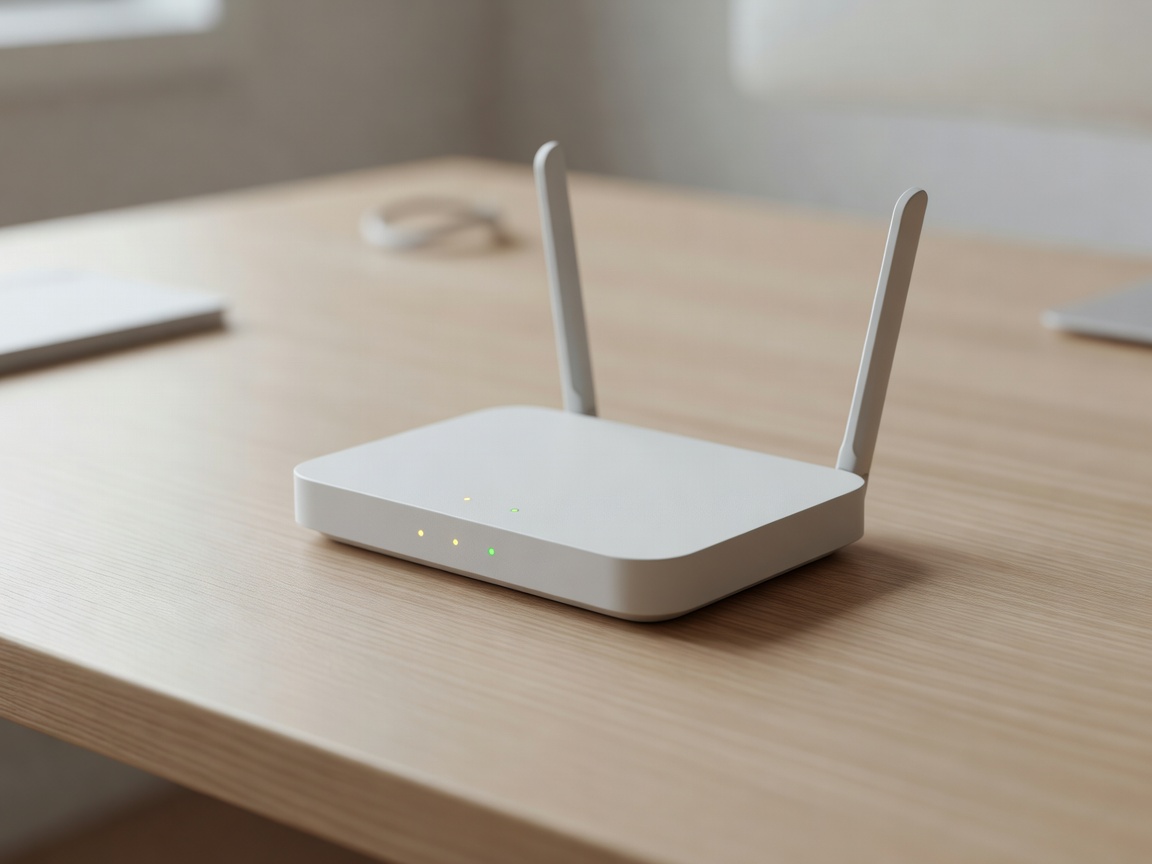
Budget Implementations
Identifying hardware that maximizes local network performance without premium licensing or over-engineered features.
Read Analysis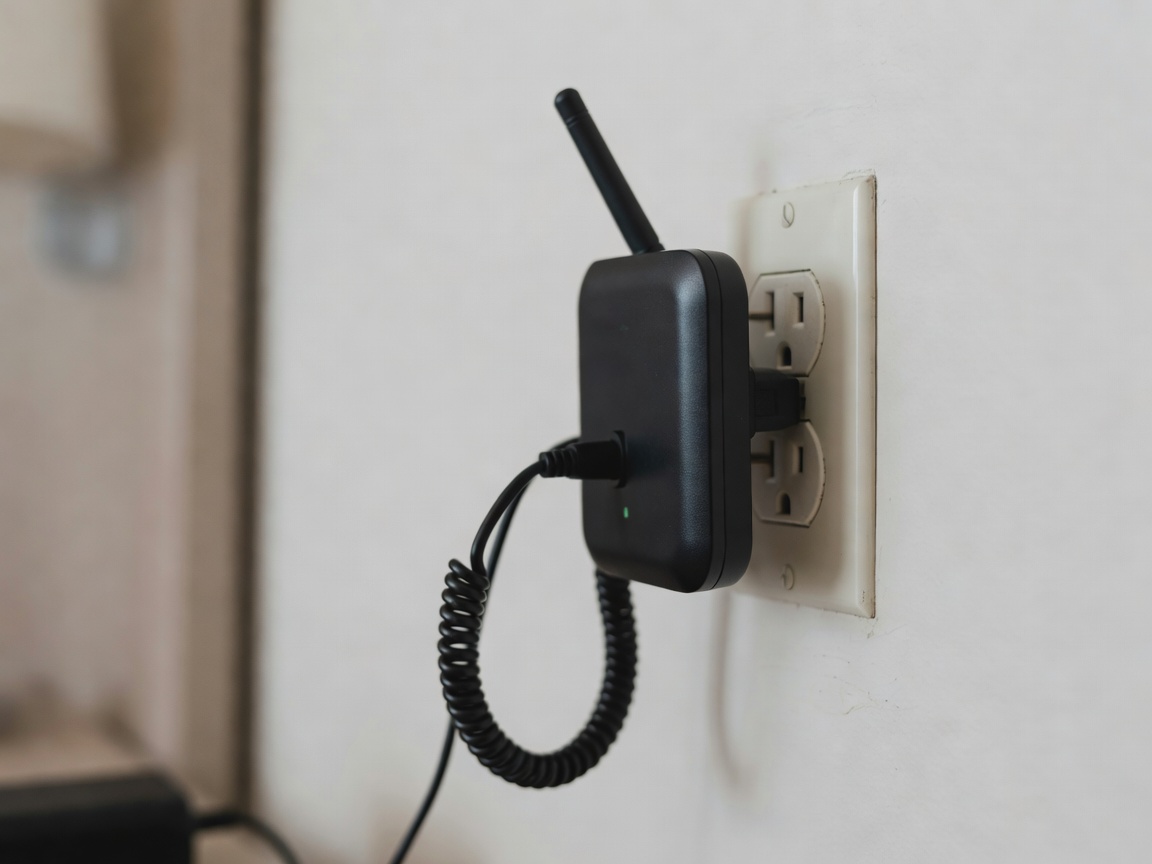
Travel Routing
Securing hotel network connections, bypassing captive portals, and creating private subnets on the move.
Read AnalysisUnderstanding Wireless Standards
The landscape of wireless technology operates heavily on standards codified by the Institute of Electrical and Electronics Engineers (IEEE). The shift from Wi-Fi 5 (802.11ac) to Wi-Fi 6 (802.11ax) brought necessary improvements in device density handling through Orthogonal Frequency-Division Multiple Access (OFDMA).
Excels at penetrating solid walls but suffers from heavy congestion due to IoT devices and legacy hardware.
The standard for streaming and modern computing, providing necessary channel widths for gigabit transfers.